
LP48-100 48 V 100 Ah LiFePO4 battery pack
5.12 kWh at 51.2 V with a 16S BMS that speaks the protocol most hybrid inverters and telecom rectifiers expect — configured at the factory to your equipment.
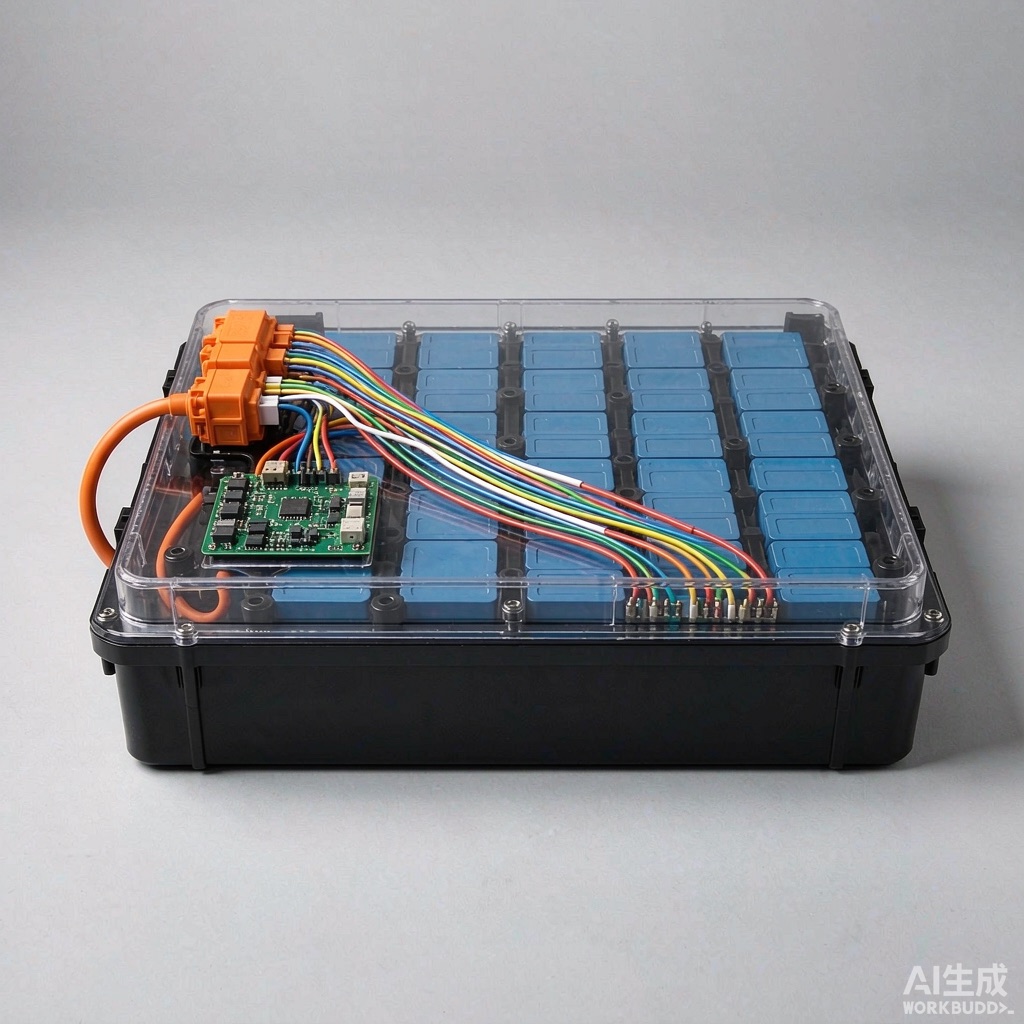 Product image
- Brand
- HighIdea
- Type
- 51.2 V LiFePO4 pack, 16S smart BMS
- Typical applications
- Telecom backup, hybrid solar inverters, UPS battery replacement, off-grid systems
- Models in range
- LP48-100 standard, CAN and RS485, LP48-100P with Pylontech protocol preloaded, LP48-100R 19-inch rack variant
- Category
- Battery Packs
Why 48 V has the best supply chain
Below about 60 V DC, equipment is designed to low-voltage safety requirements rather than the higher insulation and clearance rules above it. Telecom, UPS and hybrid solar all settled on 48 V nominal for that reason — and the consequence for buyers is a deeper, more competitive supply of BMS boards, inverters and accessories than any other voltage in the pack range.
At 48 V, a 5 kW load draws roughly 104 A. That is a normal cable and a normal BMS rating; the same load at 12 V would need over 400 A.
The communication question
The most common failure we see at this voltage is not electrical. It is a BMS that cannot talk to the inverter, which then refuses to discharge the battery and reports a communication fault even though every voltage is correct.
Tell us the inverter make and model when you order. We load the matching protocol at the factory. If your inverter is not one we have already implemented, send its protocol document and we will confirm before you place the order rather than after.
Key Features
- 51.2 V nominal, 100 Ah, 5.12 kWh rated energy
- Approximately 4.6 kWh usable at 90 % depth of discharge
- 16S smart BMS, 100 A continuous and 200 A peak
- CAN and RS485 communication with standard inverter protocols
- 16S design keeps cell balancing and protection in a single controller
- Parallel up to 16 units for 82 kWh at the same voltage
- IEC 62619 and UN38.3 test reports available
- About 48 kg in the steel case
Specifications
| Nominal voltage | 51.2 V (16S) |
|---|---|
| Rated capacity | 100 Ah / 5.12 kWh |
| Usable capacity | approximately 4.6 kWh at 90 % depth of discharge |
| Charge voltage | 56.8–58.4 V absorption |
| Cut-off voltage | 40.0 V |
| Continuous discharge current | 100 A |
| Peak discharge current | 200 A for 10 s |
| Continuous charge current | 50 A recommended |
| Cycle life | 6 |
| Operating temperature | -20 °C to +60 °C discharge |
| Communication | CAN |
| Enclosure | steel |
| Mass | approximately 48 kg |
| Parallel capability | up to 16 units |
Specifications subject to the latest factory data. Final configuration is sized against the actual load, backup runtime and site power conditions — this table is for pre-selection only.
Applications
Telecom and 5G site backup
Replaces a lead-acid string in an outdoor cabinet, with RS485 to the existing rectifier controller and a wide operating temperature range.
Hybrid solar inverter battery
Pairs with the common hybrid inverters; the protocol is loaded at the factory so the inverter recognises the pack on first power-up.
UPS battery replacement
Substitutes for a lead-acid string where the UPS supports a lithium charge profile, cutting weight and extending replacement intervals.
FAQ
Will it work with my inverter?
How many can I run in parallel?
What is the difference between the P and standard variants?
Can it replace the lead-acid string in my existing UPS?
Related Models
BMS-16S-100A
The board that decides whether a 51.2 V pack reaches its rated cycle life. Includes active balancing, the full protection set, and a documented register map so your controller can actually read it.
View detailsLP48-280
14.34 kWh in one enclosure with a 200 A BMS — the configuration for solar banks and industrial backup where fewer, larger units are easier to manage than a stack of small ones.
View detailsRM-5
A 3U rack module built for integrators — frozen mechanical dimensions batch to batch, documented BMS registers, and predictable paralleling up to sixteen units.
View details