
LP48-280 48 V 280 Ah LiFePO4 battery pack
14.34 kWh in one enclosure with a 200 A BMS — the configuration for solar banks and industrial backup where fewer, larger units are easier to manage than a stack of small ones.
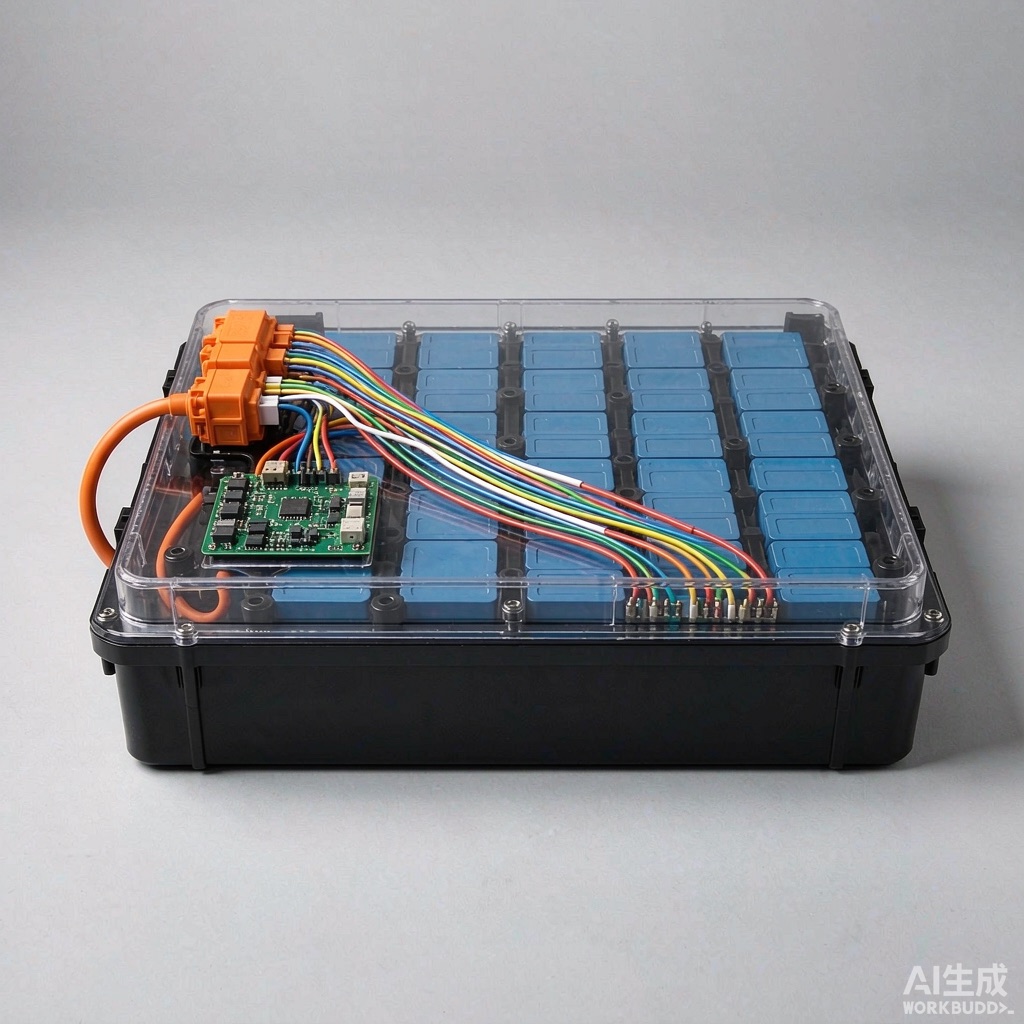 Product image
- Brand
- HighIdea
- Type
- 51.2 V LiFePO4 pack, 16S 200 A BMS
- Typical applications
- Large hybrid solar banks, industrial DC backup, large off-grid systems
- Models in range
- LP48-280 standard steel case, LP48-280R 19-inch rack-mount variant, LP48-280H with low-temperature charge protection
- Category
- Battery Packs
Fewer, larger units or more, smaller ones
Both approaches reach the same capacity. The trade-off is not energy but handling and fault isolation.
A 14.34 kWh unit needs lifting equipment and takes one person to wire. If its BMS trips, a quarter of a typical bank goes offline. Four 5.12 kWh units can be handled by two people, wired in parallel, and a single failure removes a quarter of the capacity as well — but the replacement is a 48 kg unit rather than a 122 kg one.
For sites where access is easy and installation is a one-off event, the larger pack is simpler. For sites where a future replacement has to be done by local staff, the smaller units usually win on total cost of ownership.
Charge current is the number to check
A 280 Ah pack accepts 140 A. A 15 kW solar array on a clear day can produce more than that. The array will be current-limited by the battery, and the surplus is simply not harvested.
If the system is designed to maximise solar harvest, size the bank so the accepted charge current matches the realistic array output — which usually means two packs rather than one. If the array is oversized relative to daily consumption anyway, the limit does not cost anything.
Key Features
- 51.2 V nominal, 280 Ah, 14.34 kWh rated energy
- Approximately 12.9 kWh usable at 90 % depth of discharge
- 200 A continuous and 400 A peak — covers a 10 kW inverter continuously
- Up to 16 units in parallel for 229 kWh at 51.2 V
- 140 A maximum charge current, so a large solar array is not wasted on a slow pack
- Cycle life 6,000 cycles at 80 % depth of discharge
- Steel enclosure with front-accessible terminals and handles
Specifications
| Nominal voltage | 51.2 V (16S) |
|---|---|
| Rated capacity | 280 Ah / 14.34 kWh |
| Usable capacity | approximately 12.9 kWh at 90 % depth of discharge |
| Charge voltage | 56.8–58.4 V absorption |
| Cut-off voltage | 40.0 V |
| Continuous discharge current | 200 A |
| Peak discharge current | 400 A for 10 s |
| Continuous charge current | 140 A recommended maximum |
| Cycle life | 6 |
| Operating temperature | -20 °C to +60 °C discharge |
| Communication | CAN |
| Enclosure | steel |
| Mass | approximately 122 kg |
| Parallel capability | up to 16 units |
Specifications subject to the latest factory data. Final configuration is sized against the actual load, backup runtime and site power conditions — this table is for pre-selection only.
Applications
Large hybrid solar installation
Absorbs the output of a 10–15 kW array and covers evening load without daily deep discharge, which is what preserves the 6,000 cycle rating.
Industrial DC backup
Provides extended runtime for DC loads where multiple small packs would multiply the number of BMS units and connections to maintain.
Off-grid estate or lodge
Fifteen kilowatt-hours per unit means three or four units give a multi-day autonomy bank with straightforward parallel wiring.
FAQ
122 kg is heavy — how is it installed?
Is 280 Ah per BMS a problem for balancing?
What charge current does a 15 kW array need?
Related Models
LP-HV-512
51.2 kWh at 512 V from ten standard modules — the platform for containerised storage and large commercial inverters where the DC bus is high voltage by design.
View detailsLP48-100
5.12 kWh at 51.2 V with a 16S BMS that speaks the protocol most hybrid inverters and telecom rectifiers expect — configured at the factory to your equipment.
View detailsRM-5
A 3U rack module built for integrators — frozen mechanical dimensions batch to batch, documented BMS registers, and predictable paralleling up to sixteen units.
View details