
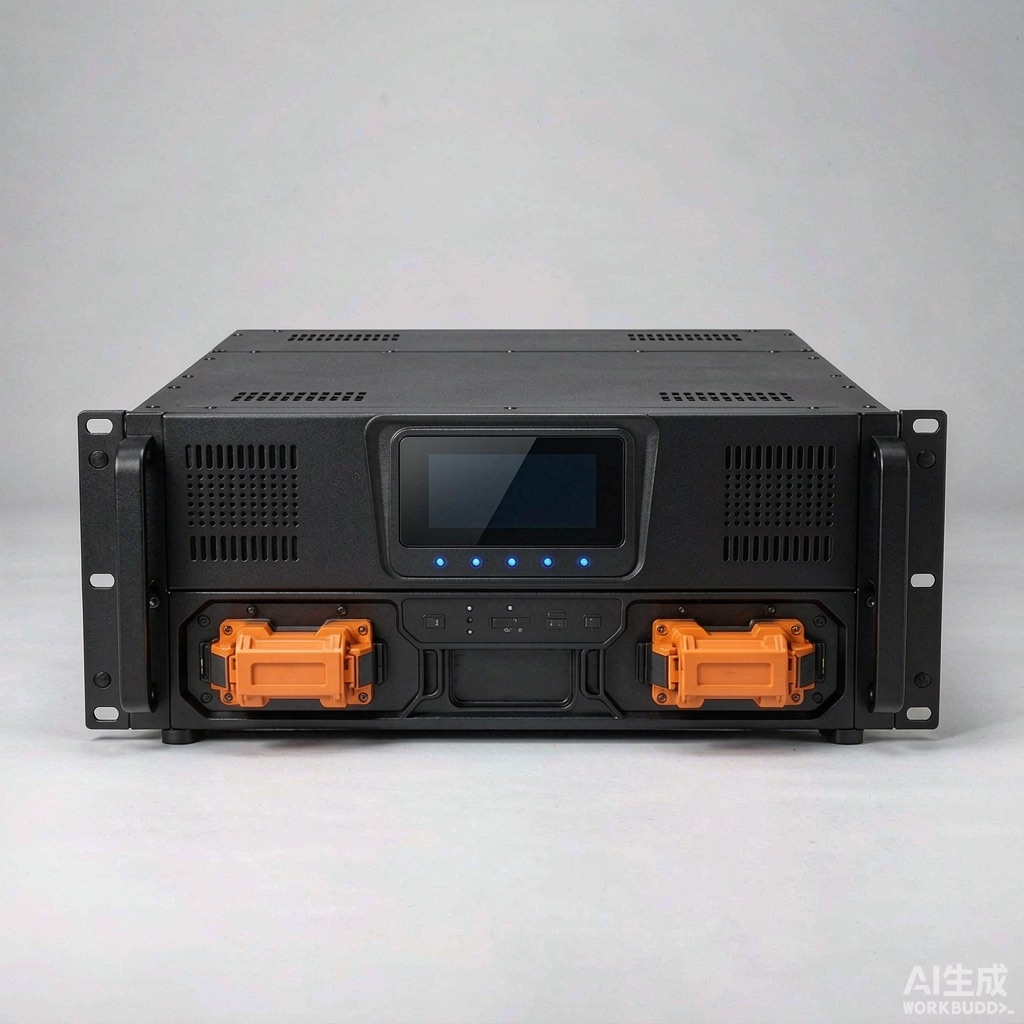
Marine & RV battery packs
Marine and RV share one requirement that land-based installations do not: the battery must survive being unattended, in damp conditions, for months — and then deliver full current on the first day it is needed.
Marine conditions are the hardest in the range
A marine battery compartment is damp, salt-laden, poorly ventilated and often hot. The pack is charged from shore power, from an alternator with a variable output, and sometimes from a generator, and it may sit unused for months at a time.
Each of those conditions has a specific design consequence: sealing that resists salt rather than only water, charge management that copes with varying sources, thermal design that works in a confined space, and a storage regime the owner can actually follow.
RV and campervan: the same problem in a drier form
RV installations are less aggressive on corrosion and more aggressive on shock and vibration. Mounting design matters more than sealing, and the charge sources are usually a mix of solar, alternator and shore power — three sources with different characteristics all needing to respect the same charge profile.
Where an alternator charges the house bank while driving, a DC-DC charger with a lithium profile is usually required. Charging directly from a vehicle alternator, whose regulator is set for a lead-acid starter battery, will undercharge or overcharge the pack depending on the regulator.
Discharge unused, charge with care
Two failure modes account for most marine and RV warranty claims we see:
- Charging below 0 °C, which causes permanent lithium plating. Cold-climate users need low-temperature charge protection, and the pack must still permit discharge so the system is usable.
- Deep storage at full charge, which accelerates calendar ageing. A pack left at 100 % through a winter will lose more capacity than one stored at 50–60 %, whatever the cycle count says.
Both are avoidable with the right variant and a clear storage instruction. We would rather explain them at the point of sale than diagnose them afterwards.