
Standby & Offline Inverters
Efficient standby conversion from a DC bus — AC-priority or DC-priority operation, pure sine output and a fast transfer when the mains fails.
Standby (offline) DC-AC inverters are specified where the load can tolerate a short transfer and the site values efficiency, simplicity and cost. They also provide the full galvanic isolation and no-back-feed behaviour required by station DC panels, but they do not keep the inverter running continuously.
Compare the two platforms
| Platform | Capacity | DC input | Transfer | Defining feature |
|---|---|---|---|---|
| HB 5/10k | 5 / 10 kVA | 48 / 110 / 220 / 240 VDC | < 10 ms (AC-priority) | Two selectable operating modes, DSP full-digital control, rack-mount |
| HTB 1-12kVA | 1-12 kVA | 12 / 24 / 36 / 48 / 60 / 72 VDC | < 8 ms | Power-frequency design, > 99 % mains efficiency, 3-stage charging, 8 W eco idle |
Choosing between them
HB 5/10k is the substation and telecom-room platform: it accepts high-voltage DC buses (110 / 220 / 240VDC), supports both AC-priority and DC-priority operation and is built around DSP control. HTB 1-12kVA is the low-voltage platform for 12-72VDC battery systems, with three-stage charging, an LED/LCD panel, temperature-controlled fans and very low standby consumption — suitable for telecom, railway and distributed backup cabinets.
Both are rated for continuous pure sine output and include over/under-voltage, short-circuit, over-temperature and battery protection. For zero-break loads, medical imaging or process control, use the Online DC-AC Inverters instead. Battery banks can be configured from LiFePO4 rack packs or conventional VRLA strings.
Available models2 series
| Model | Type | Typical applications | Notes |
|---|---|---|---|
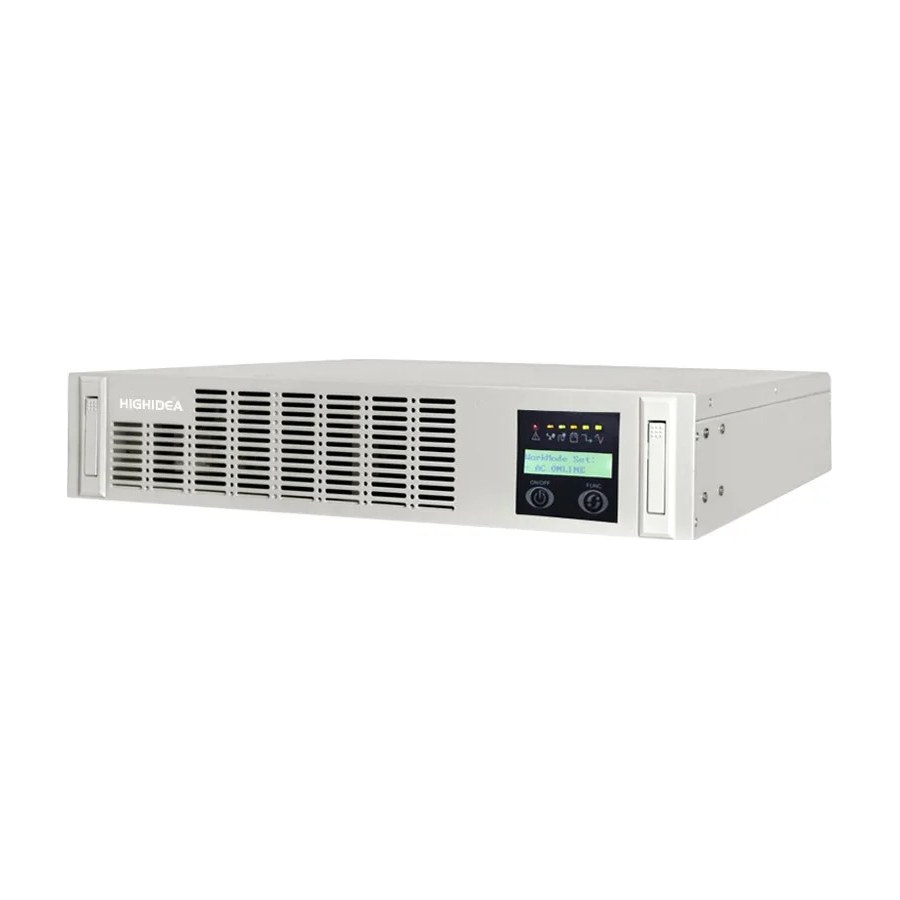 HB5/10K-48/110/220/240(A) |
Standby / offline DC-AC inverter with DSP control (rack-mount) | Substations, telecom equipment rooms, base stations, HVDC systems, wind power | AC-priority and DC-priority modes are selectable; DC input voltage fixed per order |
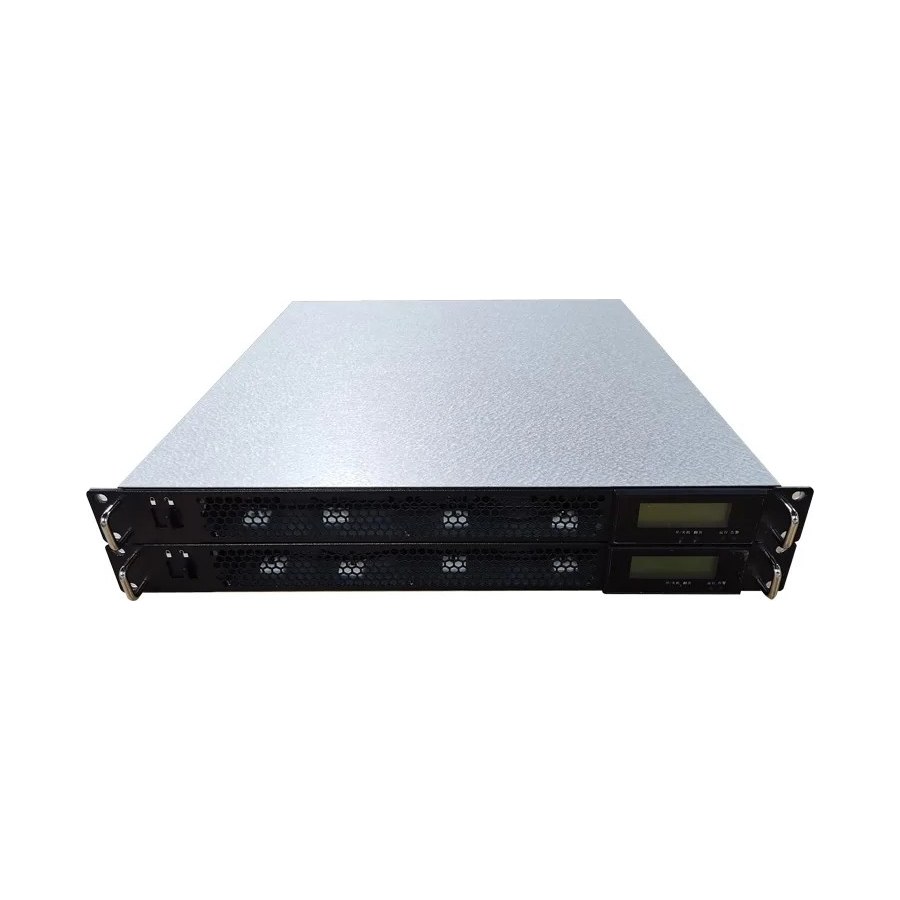 HTB 1-12kVA |
Standby power-frequency DC-AC inverter with battery charging | Telecom, railway signalling, power and industrial backup, commercial and residential standby | DC input versions from 12 to 72VDC; three-stage charging for lead-acid, lithium and solid-state batteries |
Models with links have detailed specification pages; unlisted models are also available on request. Capacity and quantity should be sized by our engineers against the actual load — never by nameplate rating alone.
Standby & Offline Inverters — frequently asked questions
What is the difference between AC-priority and DC-priority mode?
How fast is the transfer?
What DC voltages and batteries are supported?
Is the output isolated from the DC bus?
When should I choose an online inverter instead?
Other Power & Telecom Inverters categories
Compare the alternatives within the same product line.