
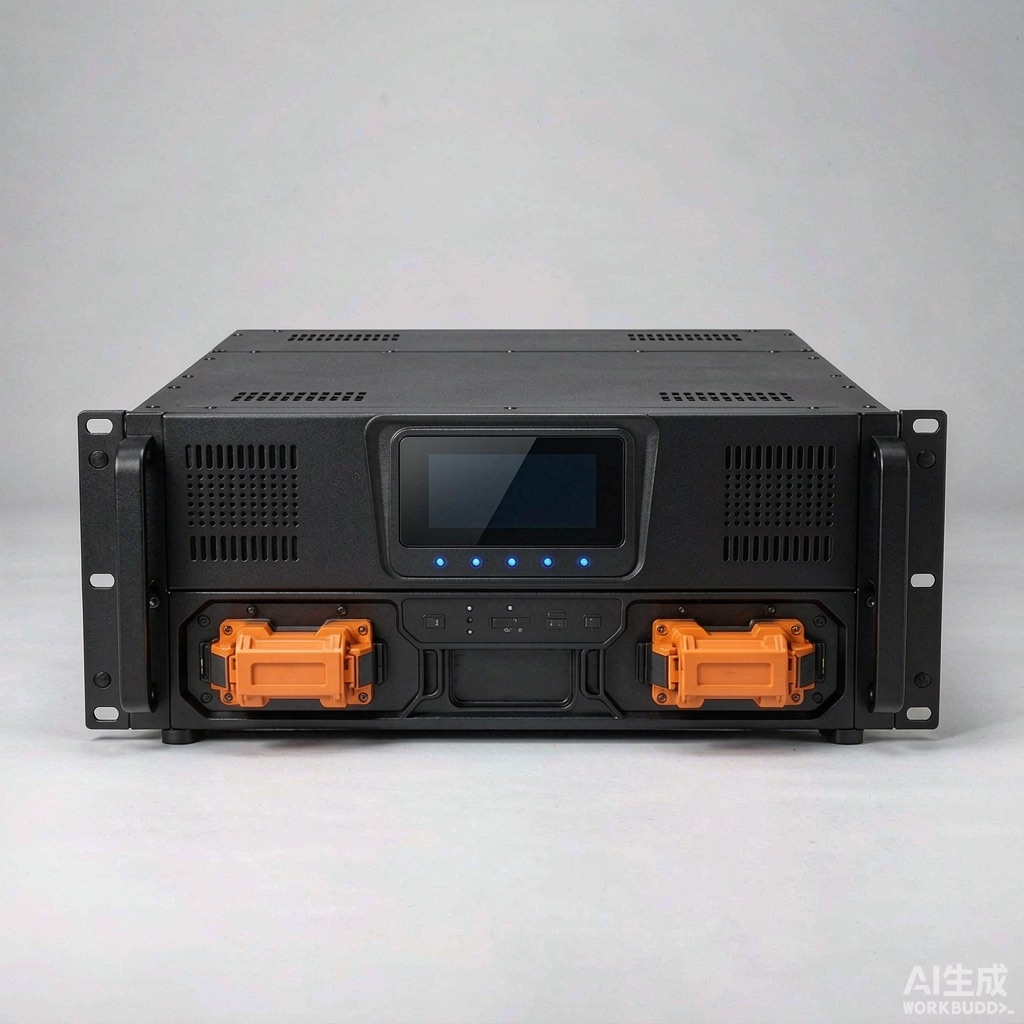
Golf carts, scooters & low-speed EVs
Mobility applications are decided by peak current, not capacity. A pack that delivers the rated amp-hours but trips on a hill start has failed the customer, whatever the data sheet says.
Peak current is the specification that matters
A mobility drive draws a modest current on the flat and a very large one on a gradient or during acceleration. A machine that pulls 80 A cruising can pull 300 A for three seconds climbing.
If the BMS is rated only for the continuous current, the machine stops mid-hill. This is the single most common cause of a rejected mobility pack, and it is entirely a specification choice.
Send us three figures: continuous current, peak current and how long the peak lasts. We will specify a BMS with headroom rather than the closest rating that technically covers the average.
Charging is where the upgrade is lost
Fitting a lithium pack and leaving the lead-acid charge profile in place is the most common way to waste the investment. Absorption voltage, float behaviour and charge cut-off all differ, and a lead-acid profile will either undercharge the pack so it never balances, or hold it at a voltage that accelerates ageing.
Most modern golf cart and floor machine chargers can be reprogrammed or have a lithium setting. Where they cannot, replacing the charger is cheap relative to the cycle life it costs to keep it.
Institutional fleets
For buyers running a fleet — a hotel with thirty carts, a cleaning contractor, a hospital with mobility equipment — the considerations shift from a single unit to the whole fleet: a common module so spares are interchangeable, published replacement procedures so maintenance staff can work on them, and a defined service life so the replacement budget can be planned.
We supply those fleets with a single module type across all their machines where the voltage allows, which is usually cheaper over ten years than mixing whatever fits each vehicle.